

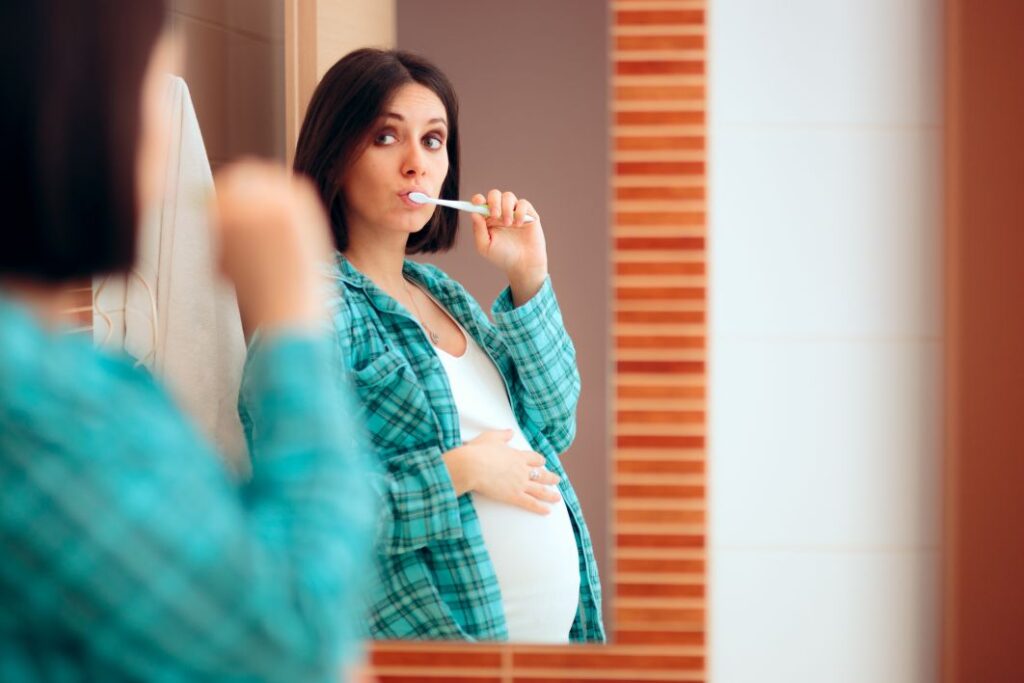
When you’re pregnant, it can affect nearly every aspect of your life from your diet to your overall and oral health. That’s why during this special time, you’ll need to pay particular attention to your teeth and gums, both for your sake and your growing baby’s. The good news is that being pregnant does not automatically damage your teeth. In fact, the old wives’ tale that warns a woman to expect a lost tooth for every baby is false. If the mother’s intake of calcium is inadequate during gestation, her bones – not her teeth – will provide the calcium her growing baby needs. This calcium loss is quickly made up after breastfeeding is stopped. However, the demands of pregnancy can lead to dental problems in some women. Thankfully, with proper hygiene at home and professional help from your dentist, your teeth should remain healthy throughout these amazing 40 weeks!
Gum Disease and Pregnancy
Studies have shown that conditions like gum disease can negatively impact a developing baby. Research has found a link between gum disease in pregnant women and premature birth with low birth weight. Babies who are born prematurely are at risk for a range of health conditions including cerebral palsy and problems with eyesight and hearing. Estimates suggest that up to 18 out of every 100 premature births may be triggered by periodontal disease, which is a chronic infection of the gums. Appropriate dental treatment for the expectant mother may reduce the risk of premature birth.
How Can I Protect My Oral Health During Pregnancy?
Studies have shown that you are less likely to have dental problems during pregnancy if you already have good oral hygiene habits to begin with. To ensure that your smile is in great shape:
- Brush your teeth at least twice daily with fluoridated toothpaste.
- Floss between your teeth.
- Visit your dentist regularly.
If you’re considering getting pregnant but also planning cosmetic dental work soon, it is better to have elective procedures done before you conceive. Should you require dental treatment during pregnancy, non-urgent procedures are often performed after the first trimester.
Common causes of dental health problems during pregnancy can include:
- Gum problems.
- Vomiting.
- Cravings for sugary foods.
- Retching or gagging while brushing teeth.
How Can Hormones Affect My Gums?
In some cases, the hormones associated with pregnancy can make women susceptible to gum problems, including:
- Gingivitis – this condition is more common during the second trimester and may include swelling or bleeding gums when brushing and flossing.
- Periodontal disease – if you already had gum disease prior to pregnancy, the hormone fluctuations during gestation can worsen this condition.
- Pregnancy epulis or pyogenic granuloma – this localized enlargement of the gum tissue may cause bleeding and may require additional professional cleaning.
Should you develop gum problems during pregnancy it is important to follow up with your dentist once the pregnancy has ended. While most hormonal gum problems resolve after birth, some women may develop a more advanced stage of gum disease that will need treatment to resolve.
Why Do I Have a Weird Taste in My Mouth?
Pregnancy dysgeusia is a common condition caused by fluctuating estrogen levels but usually resolves by the second trimester. It distorts your sense of taste, causing a persistent metallic, bitter, or sour flavor that many say is akin to sucking on pennies. Although this condition is completely harmless to both mother and child, it can increase feelings of nausea and even cause you to avoid certain foods or oral health products. If you are experiencing dysgeusia, you can try experimenting with different flavored toothpastes or try chewing sugarless gum or mints to help mask unpleasant flavors.
How Does Morning Sickness Affect Oral Health?
Pregnancy hormones soften the ring of muscle that keeps food inside the stomach. Gastric reflux (regurgitating food or drink) or the vomiting associated with morning sickness can coat your teeth with strong stomach acids. Repeated reflux and vomiting can damage tooth enamel and increase your risk of decay. To help protect your teeth, try these best practices:
- Avoid brushing your teeth immediately after vomiting. While the teeth are covered in stomach acid, it may soften the tooth enamel, leaving it vulnerable to scratches from your toothbrush.
- Rinse your mouth thoroughly with plain tap water.
- Follow up with a fluoridated mouthwash.
- If you don’t have a fluoridated mouthwash, put a dab of fluoridated toothpaste on your finger and smear it over your teeth. Rinse thoroughly with water.
- Wait at least one hour to brush your teeth after vomiting.
How Can I Overcome Nausea While Brushing My Teeth?
One of the most common ways pregnancies can affect your oral health is an increased gag reflex when brushing your teeth, especially when cleaning the molars. To make this step easier, experts recommend the following:
- Use a toothbrush with a small head, such as one made for toddlers.
- Take your time and slow down your brushing action.
- It may help to close your eyes and concentrate on your breathing.
- Try other distractions, such as listening to music while brushing.
- If the taste of the toothpaste seems to provoke your gag reflex, switch to another flavor or brand. Alternatively, brush your teeth with water and follow up with a fluoridated mouthwash and resume brushing with fluoridated toothpaste as soon as you can.
How Can My Diet During Pregnancy Affect My Oral Health?
Many women have very specific or unusual cravings (and avoidances) during pregnancy. Unfortunately, some of these aren’t exactly optimal for excellent oral health. Things like increased consumption of sugary snacks can up your risk of tooth decay. Instead, try to snack on low-sugar foods, or choose healthier options such as fresh fruits. Be sure to rinse your mouth with water or an alcohol-free mouthwash or brush your teeth after having any type of sweets.
How Can I Get More Calcium During Pregnancy?
During pregnancy, it is important to increase your daily amount of calcium. This will not only protect your bone mass, but it will also help meet the nutritional needs of your developing baby. Good sources of dietary calcium include milk, cheese, unsweetened yogurt, and calcium-fortified soymilk.
How Can I Increase My Vitamin D Intake During Pregnancy?
Vitamin D helps the body to utilize calcium, so it’s important to increase your intake during pregnancy for the benefit of both you and your growing baby. Good sources include cheese, fortified margarine, fatty fish like tuna and salmon, and eggs.
Remember, pregnancy can affect many aspects of your oral or overall health. But together with your dentist and a solid at-home hygiene routine, you and your baby can weather these changes and protect your bright, beautiful smiles during this important time.
About Dr. LaCap
A resident of Old Tappan, Dr. Mariliza LaCap and her husband are both graduates of Columbia University School of Dental and Oral Surgery, and the proud owners of Washington Dental Associates. As a dentist, her mission is to help create a community of healthy, beautiful smiles through proper dental care and education. As a mom of five beautiful children herself, she knows how important it is to find a dental home for the whole family, where kids can both have fun and feel safe, and where parents can have peace of mind while protecting their oral hygiene. She also understands the importance of running on time to accommodate busy schedules. To schedule an appointment for your preventive exam and cleaning at any age, visit our website or call us today at 201-453-4863.