

Oral cancer can affect the tissues of the mouth, lips, tongue, and throat. While some risk factors can’t be changed, others are connected to everyday habits and lifestyle choices. Knowing what can increase your risk is an important part of taking care of your oral health.
The good news? There are steps you can take to lower your risk and help identify concerning changes early.
Tobacco Use
Tobacco is one of the biggest risk factors for oral cancer. This includes cigarettes, cigars, pipes, smokeless tobacco, and other tobacco products. The harmful chemicals found in tobacco can damage cells in the mouth and increase the likelihood of cancer developing.
If you use tobacco, quitting is one of the most important things you can do to reduce your risk. If quitting feels difficult, talk with a healthcare professional about resources that can help.
Alcohol Consumption
Regular or heavy alcohol consumption can also increase the risk of oral cancer. The risk can be even higher for people who both drink alcohol and use tobacco.
If you drink alcohol, limiting your consumption can help reduce your risk. Being mindful of how often and how much you drink is one simple step you can take for your overall health.
HPV and Oral Cancer
Certain types of human papillomavirus, commonly known as HPV, have been associated with cancers of the mouth and throat. HPV is extremely common, and many infections don’t cause symptoms.
Talk with your healthcare provider about whether HPV vaccination is appropriate for you or your family. Vaccination can help protect against certain types of HPV that are associated with cancer.
Sun Exposure
Your lips can also be affected by skin cancer, so protecting them from excessive ultraviolet (UV) exposure is important. People who spend significant amounts of time outdoors may have increased exposure to UV radiation.
Consider using a lip balm with sunscreen and taking other sun-protection measures when spending time outside, particularly during prolonged exposure.
Age and Other Risk Factors
The risk of oral cancer generally increases with age. A previous history of certain cancers or conditions that affect the mouth may also influence your individual risk.
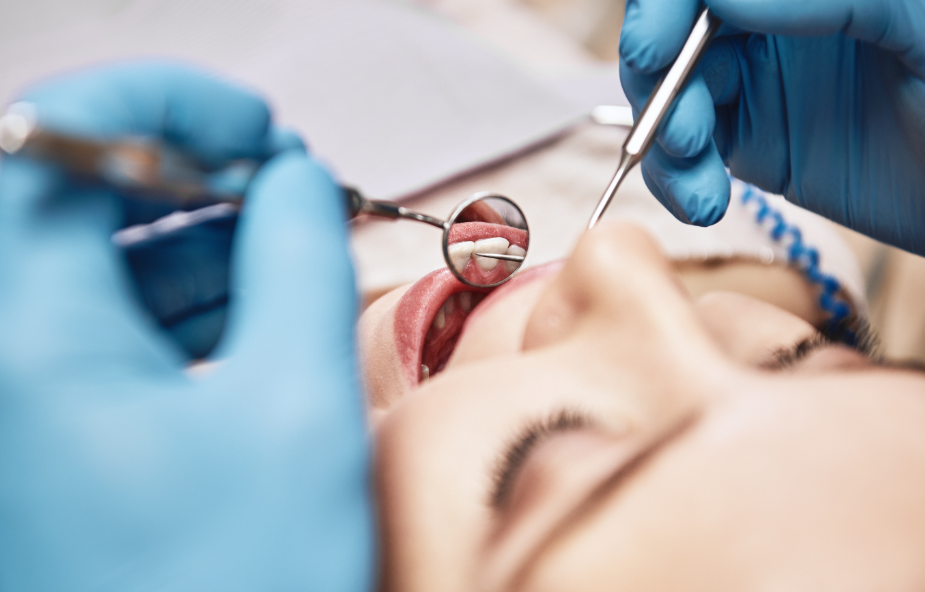
Some risk factors aren’t within your control, which makes regular oral health examinations particularly valuable. During routine visits, your dental professional can look for unusual changes in your mouth and recommend further evaluation when something needs additional attention.
Know the Warning Signs
Pay attention to changes in your mouth that don’t seem to go away. A sore, lump, thickened area, red or white patch, unexplained bleeding, persistent pain, numbness, or difficulty chewing or swallowing can all warrant professional evaluation.
Having one of these symptoms doesn’t automatically mean you have oral cancer. However, if something unusual persists, it’s better to have it checked rather than ignore it.
Protect Your Oral Health
You can’t eliminate every risk factor for oral cancer, but you can make choices that lower your risk. Avoiding tobacco, limiting alcohol, protecting your lips from the sun, staying up to date on recommended vaccinations, and keeping up with regular dental visits can all help.
Most importantly, don’t hesitate to speak up when something in your mouth doesn’t look or feel right.
About the Practice
Washington Dental Associates provides comprehensive general dentistry services for patients looking to maintain healthy smiles at every stage of life. The practice emphasizes preventive care and routine examinations to help patients stay on top of their oral health and identify potential concerns that may require additional attention.
Call us at (201) 453-4863 or schedule your appointment online